 Seattle is upgrading fire stations to be more energy efficient and climate-friendly while offering healthier and safer live-work spaces for our firefighters. Pictured are crewmembers at Fire Station #35 in Crown Hill. Photo by Seattle Fire Department.
 We’re partnering with Seattle’s Finance & Administrative Services (FAS) to make fire stations across the city more climate resilient by converting dirty fossil fuel systems to clean, all-electric alternatives. These strategic upgrades are reducing climate pollution, creating healthier indoor environments for firefighters, and making Seattle’s emergency response facilities safer as climate change impacts like extreme weather worsen.
Climate change demands our urgent action, especially for essential public safety buildings like fire stations. More than 90% of building-related climate pollution in Seattle comes from burning fossil fuels. By electrifying facilities, we’re reducing harmful emissions to create healthier communities in the short-term while making buildings more sustainable for the long-term.
The City of Seattle has completed more than 50 city-owned building electrification projects since 2018. One of our priorities is modernizing fire stations due to their unique and vital roles as community structures, workplaces, and living spaces for firefighters. These projects align with Seattle’s newly released Municipal Buildings Decarbonization Plan, which aims to eliminate fossil fuels from 176 City-owned buildings by 2042.
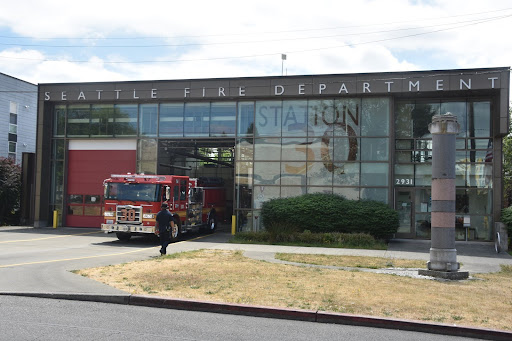
“Fire stations are challenging candidates for electrification because they operate 24/7 and serve as both living quarters and emergency response facilities,” said Evan Cobb, Resource Conservation Advisor for FAS. “We’ve proven that these upgrades work. These improvements are showing significant emissions and energy use reductions while creating more comfortable, healthier spaces for our firefighters.”
Fire Station #30: A Model for Building Decarbonization
The Fire Station #30 project in Mount Baker is setting the standard for future complex building decarbonization projects. The City has converted heating, cooling, and hot water systems from fossil gas to clean electricity, reducing the station’s emissions by 80%.
The results speak for themselves. Fire Station #30 now outperforms the City’s 2036–2040 Building Emissions Performance Standard (BEPS) emissions reduction targets, demonstrating how straightforward upgrades can deliver dramatic climate benefits.

Building on Success to More Station Upgrades
We are now making similar upgrades to fire stations across Seattle, and more projects are to come. We’re starting with locations that continue to experience system failures or have very high operational costs from running outdated, inefficient appliances.
Fire Station #35 in Crown Hill has many recently completed improvements, including upgraded heating and energy recovery ventilation in the vehicle bay, installation of a dehumidifier and a heat pump that provides air conditioning in the bunker gear drying room, replacement of gas water heating with efficient heat pump technology, and more.

Fire Station #33 in Rainier Beach is currently undergoing hot water system electrification that will replace fossil fuel equipment with clean electric alternatives. Expected to be completed this summer.
Fire Station #38 in Bryant recently became one of the first stations to replace gas ranges with electric induction cooking technology so firefighters can breathe healthy indoor air as they cook meals. FAS replaces gas cooking equipment as units reach the end of their useful life.
At Fire Station #34 in Madison Valley, teams are currently electrifying heating, focusing on the most critical areas of the facility to maximize emissions reductions while working within budget constraints. This project is expected to be completed this year.

Smart, Strategic Electrification
The City’s approach focuses on strategic and effective upgrades where they can have the most impact. “We don’t have to use cutting-edge technology to achieve drastic emissions reductions,” Cobb said.
In Seattle, buildings account for 40% greenhouse gas emissions. The City has already reduced energy use and emissions in municipal buildings by approximately 28% from 2008 to 2024. We’ll continue making upgrades that reduce our climate impact and create a roadmap for other building owners to follow. Our team at OSE is grateful for our partnerships with FAS and our Fire Department.
Interested in improving energy efficiency and comfort while reducing emissions in your home? Check out our heat pump rebates program and the City of Seattle’s discounts and assistance webpage.