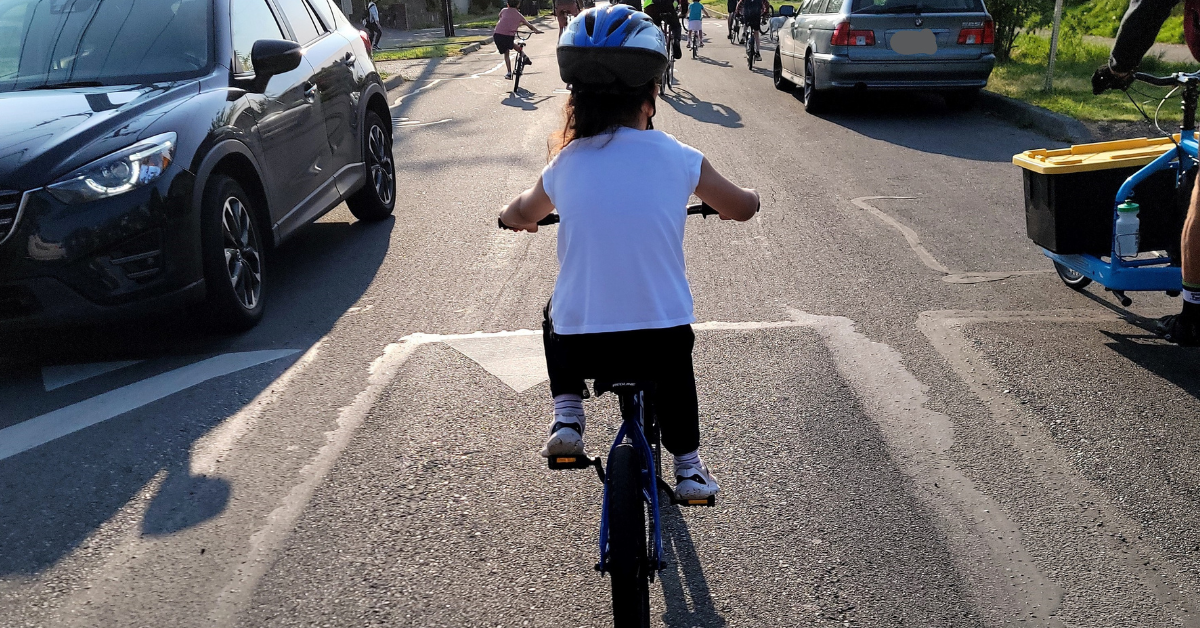
 Students riding bikes in Seattle.
 It’s back to school season! With all the back-to-school advertisements, we compiled some sustainability tips to keep your school preparation affordable, simple, and climate-friendly.
Every fall, more cars hit the road and more food and clothes head for the landfill, harming our environment and contributing to climate pollution. While the City of Seattle and our office are working to reduce big sources of pollution through policies and programs, it’ll take all of us to combat climate change.

Sustainable Lunch Boxes and Cafeterias Trays
Incorporating more fresh, locally sourced foods into school meals increases nutritious value at the same time as reducing food waste. Seattle Public Utilities (SPU) reports that our annual food waste in the garbage weighs 50,000 tons, the same as 7,750 orca whales!
- Give leftovers a second chance: Planning packed lunches in advance doesn’t always help reduce food waste, especially with picky eaters. Using any reusable food storage containers can encourage kids to bring home leftovers that may be reservable. If leftovers went bad, remember to compost – wasted food in landfills breaks down quickly, producing 58% of landfill methane emissions, a type of climate pollution. SPU has an easy guide on how to compost at home.
- These aren’t your average public-school lunches: Seattle Public Schools (SPS) Culinary Services provides breakfasts and lunches that feature more locally sourced, high quality, and culturally relevant foods. These changes are thanks to SPS staff, a new SPS Central Kitchen, and support from the Seattle School Meals Food Education Working Group. Our team at OSE helped co-convene this group of dozens of government, nonprofit, and student partners. Learn how these partners have been improving Seattle school meals and more. Visit SPS Culinary Services’ website to see lunch menus, information about free and reduced-price student meals, and more for families.
- School lunches are using less singe-use packaging: SPS is also working to swap disposable plates, utensils, and trays for durable, reusable alternatives in many school cafeterias. In the last two years, SPS has eliminated 11,000 pounds of food packaging waste in eight cafeterias. Even school lunch trays are getting revamped! Learn more about SPS’ effort to pilot and expand lunchroom reusables to more schools, in partnership with Bold ReUse and supported by SPU.
- Shop locally sourced foods: Purchasing locally sourced produce supports small farmers and businesses with environmentally friendly practices while strengthening our local food system. City of Seattle’s healthy food program, Fresh Bucks, helps families afford produce by providing enrolled households $40 per month to spend on fruits and vegetables. Learn more about the Fresh Bucks waitlist application.
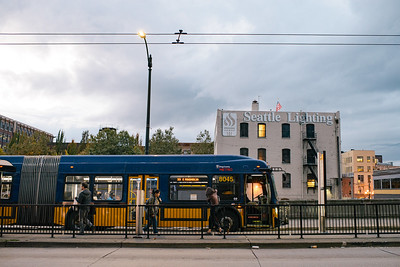
Re-thinking Your Commute
Nearly 60% of climate pollution in Seattle comes from the transportation sector, and gas-powered vehicles are the number one contributor. The City is connecting walkways, bike paths, and public transit options across Seattle to provide more options to commuters and back-to-schoolers.
Earlier this year, Seattle Mayor Bruce Harrell signed an executive order directing City departments to modernize Seattle’s Climate Action Plan. The updated plan, to be released in 2026, will newly focus on accelerating emissions reduction from transportation and more.
- Walk, Roll, Bus, or Another Way to School: Flip Your Trip, created by Seattle Department of Transportation (SDOT), helps you easily design alternative transit routes to school and activities using public transit rather than a gas-powered car. SDOT’s Safe Routes to School program also helps families walk or bike to school through infrastructure updates and programming. Check out these resources for extra relief amid Revive I-5 construction.
- Seattle Youth are eligible to receive a free Orca card! Orca cards can be used on public busses, trains, and ferries. Thanks to funding from Washington State’s Climate Commitment Act, Seattle saw about five million youth rides in 2023 alone. Register to claim a free Youth Orca Card!
Free and Upcycled School Clothes and Supplies
King County residents toss an estimated 40,000 tons of clothes, shoes, and other textiles into landfills annually, but nearly 95% of this waste is reusable or recyclable.
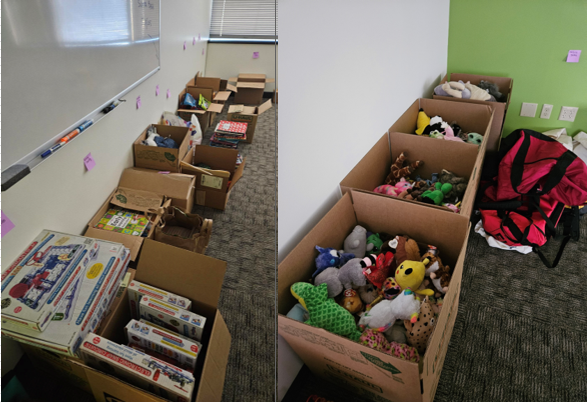
- Live in South Seattle and in need of school supplies? Check out the annual Back to School Summer Bash this Friday, August 15, hosted by nonprofit 1World1Sky. This free event welcomes Duwamish Valley families to pick up donated backpacks full of school supplies, enjoy a BBQ, play games, and win prizes before summer ends! The event will be at the Southwest Teen Life Center. Every year, our very own Wes Hoppler, OSE’s Citywide Resource Conservation Advisor, helps collect donations to bring to the hundreds of kids expected to attend.
- Consider recycling old clothes: Through Threadcycle, sponsored by King County and SPU, you can bring your unwanted clothes to a recycling site. Experts will sort through and reuse, recycle, or resale donations in partnership with nonprofits. Locate a local textile donation site.
Explore City of Seattle Assistance and Discounts available to assist with transitioning to a sustainable back to school mindset! We’ll see you on a bus and in the bike lanes in September.