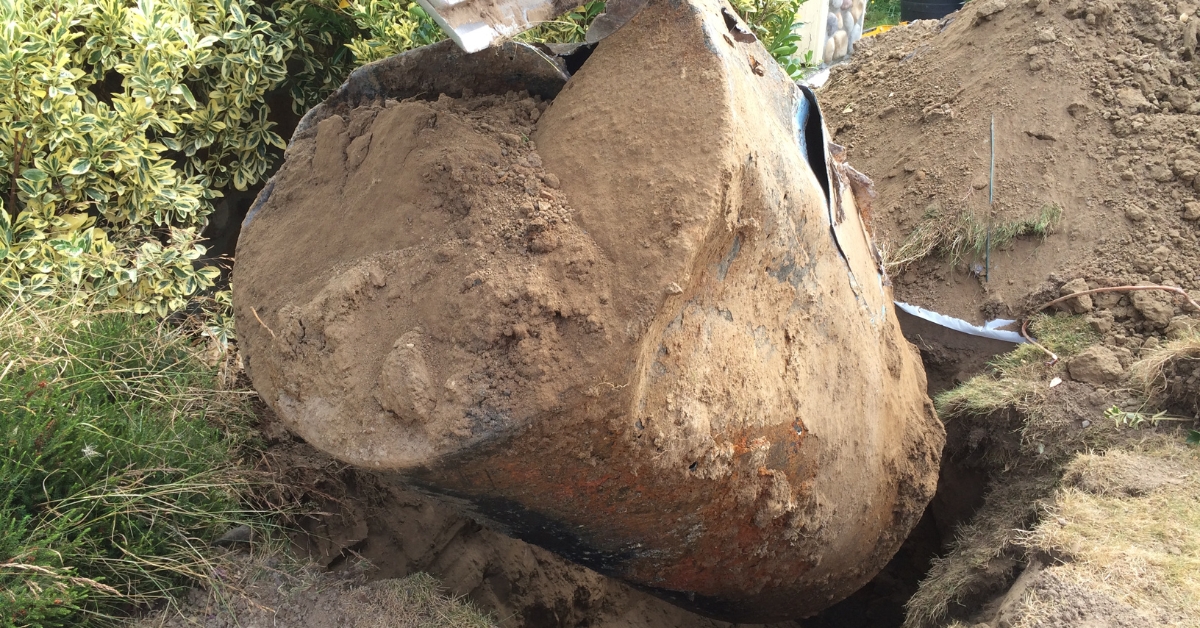
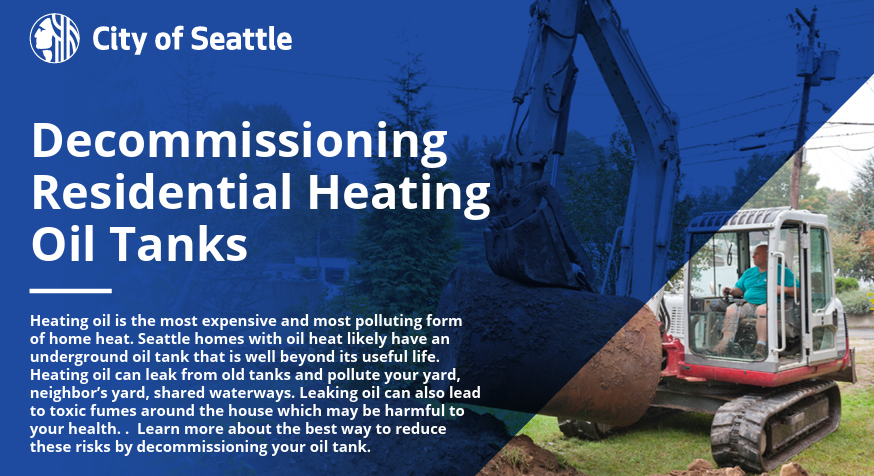
 An oil tank being removed from the ground. Photo by Filco.
 As the crisp fall weather settles in, households with oil heating are making plans to refill their oil tanks. While burning oil was once a common way to heat homes, aging tanks present serious risks to health and safety, property value, and neighborhood water resources. Burning fossil fuels like oil also produces pollution that worsens indoor and outdoor air quality and contributes to climate change.
The City of Seattle is helping homeowners make the switch from oil heat to clean, electric heat pumps that heat, cool, and filter indoor air. Through Seattle’s Clean Heat program, many households transitioning off oil are eligible for thousands of dollars in instant rebates, and some may qualify for a no-cost heat pump.
Whether you are thinking about making the switch or have already transitioned to electric heat but forgot to decommission your oil tank, keep reading to learn more about how to retire your oil tank (with our new user-friendly flyer) to protect yourself, your neighbors, and your surrounding environment.
Costly Environmental Hazards of Aging Oil Tanks
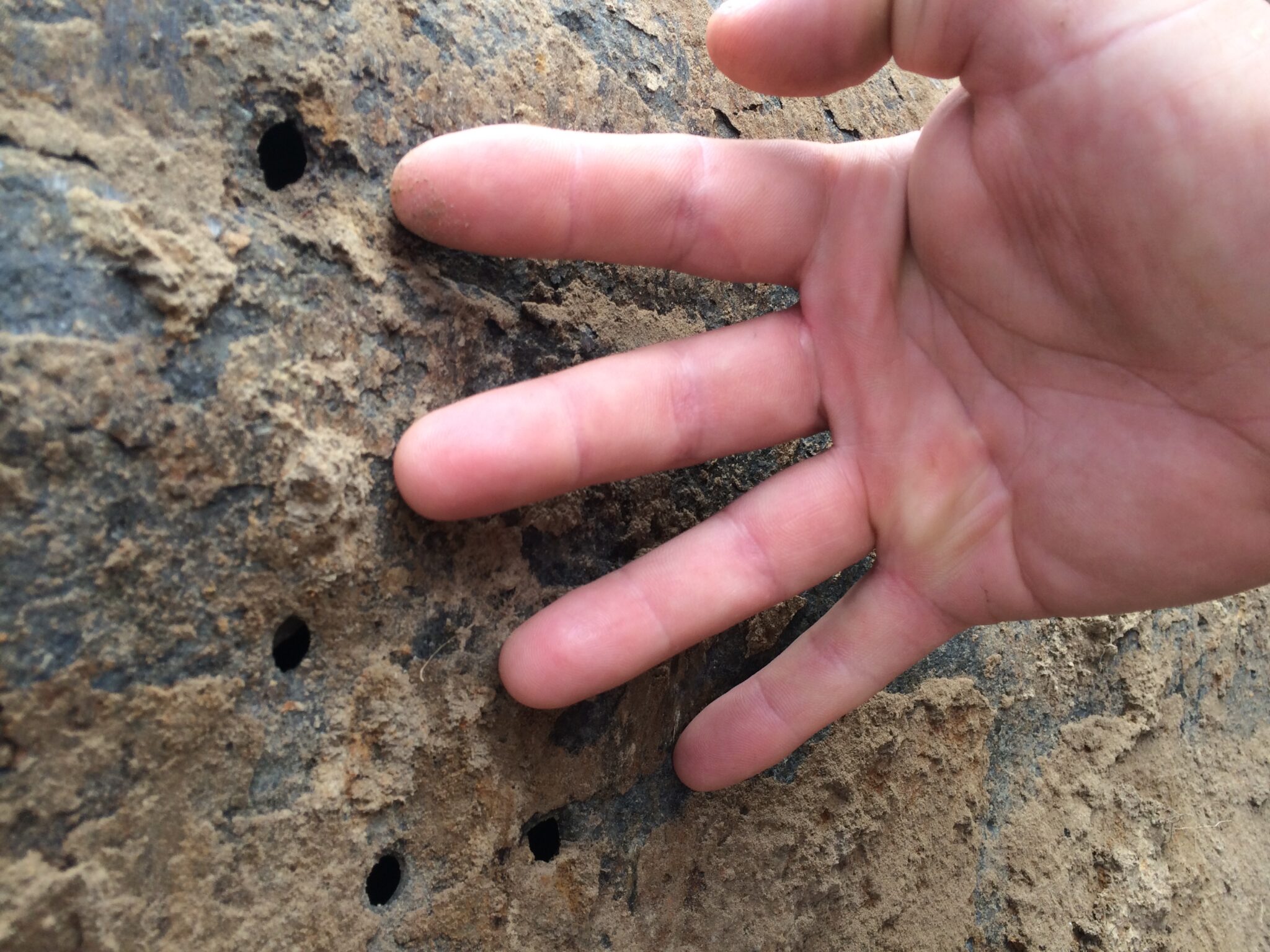
Many Seattle homes built before the 1970s relied on heating oil stored in underground tanks. We estimate there are less than 10,000 oil-heated homes remaining in Seattle (out of more than 180,000 homes). Unfortunately, these homes likely have their original oil tanks which are well past their useful life of 20-30 years. Aging oil tanks can:
- Contaminate Soil and Water: Oil leaks release toxic chemicals into the soil and groundwater. Just one gallon of oil can contaminate thousands of gallons of water which can travel to natural waterways like streams, harming salmon and other wildlife. Oil can also make soil less stable, causing cracks in a building’s foundation.
- Damage and Devalue Property: Cleanup costs for an oil leak can exceed $10,000 and may not be covered by homeowner’s insurance. Real estate transaction forms require disclosure of any known heating oil tanks.
- Create Health Risks: Burning oil creates climate pollution that worsens air quality, potentially worsening health outcomes for people with underlying medical conditions, including asthma.
Qualifying Households Can Save Thousands on a Heat Pump
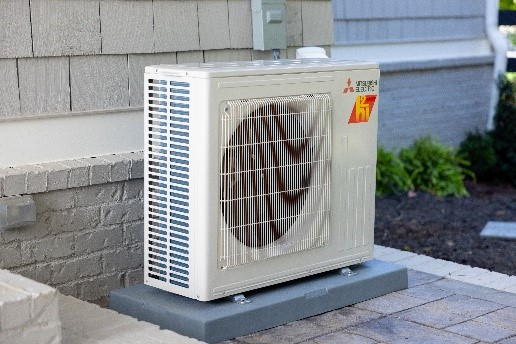
Seattle’s Clean Heat program is helping households transition off oil heat with up to $8,000 in instant rebates and tax credits for a qualified heat pump, and qualifying households may be eligible for a free heat pump.
The total $8,000 in savings is made up of Seattle’s $2,000 base instant rebate for households of any income, a $4,000 bonus rebate for moderate-income households and a $2,000 federal tax credit. Earlier this year, the federal government passed a spending bill that will end the tax credit at the end of this year. Get the process started now — households that install qualifying heat pumps before December 31, 2025, can still claim the tax credit.
Heat pumps have multiple benefits. They contribute to cleaner air by running on electricity and offer year-round comfort by providing heating and air conditioning in one system. Modern heat pumps are also three to four times more energy efficient than oil furnaces, helping households reduce their heating bills by more than 50%.
Why Decommission Your Tank
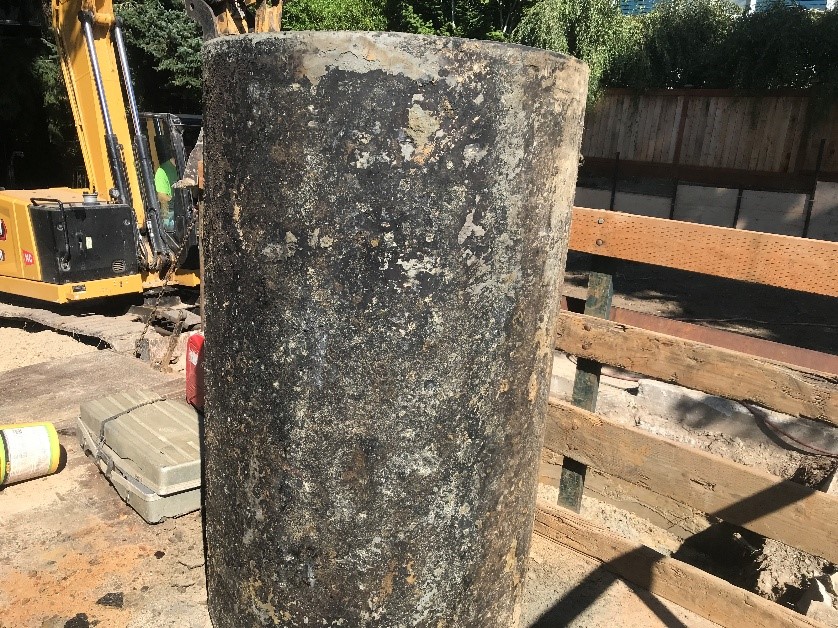
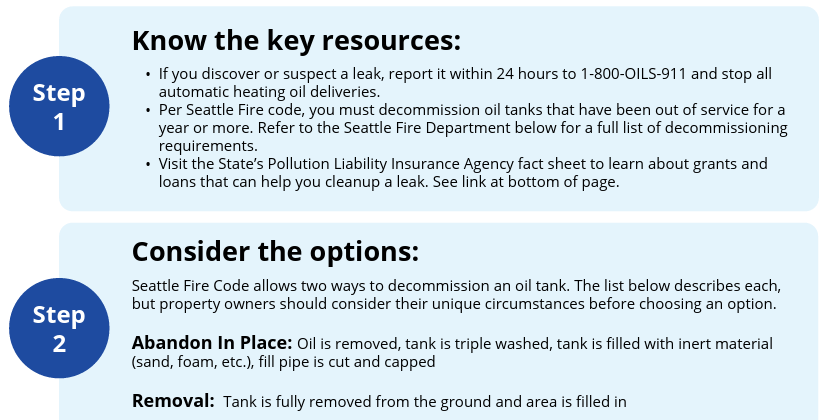
Enlisting a licensed specialist to decommission your underground oil tank, which safely takes it out of service, avoids risks and is required by Seattle law. Tanks left in the ground can corrode and leak, often unnoticed until after significant damage has occurred. Decommissioning options include:
- Tank Removal: The most thorough method, allowing for soil testing and full remediation to clean or remove contaminated soil if leaks are found.
- Tank Filling (Retire in Place): Acceptable in some situations, this involves cleaning the tank and filling it with material like sand or foam.
Ready to Take the Next Steps?
- Get a rundown of everything you need to know using our new user-friendly oil tank decommissioning flyer.
- Learn how much you can save through the Seattle Clean Heat Program when switching from oil heating to an electric heat pump.
- See the Seattle Fire Marshal’s detailed information on decommissioning your tank. Check Seattle Fire Marshal records data to see if your tank has been permitted for decommissioning in the past (required by law).
- Contact the Washington State Pollution Liability Insurance Agency’s Heating Oil Loan and Grant Program to learn about grants and loans that help cover oil tank leak cleanup costs.
While the City of Seattle and our office are working to reduce big sources of pollution through policies and programs, it’ll take all of us to combat climate change. Thank you for helping make Seattle a cleaner, safer, and more climate-resilient city! Check out our blog to learn more about how we’re reducing emissions from City-owned buildings and helping owners of large buildings transition off fossil fuels.