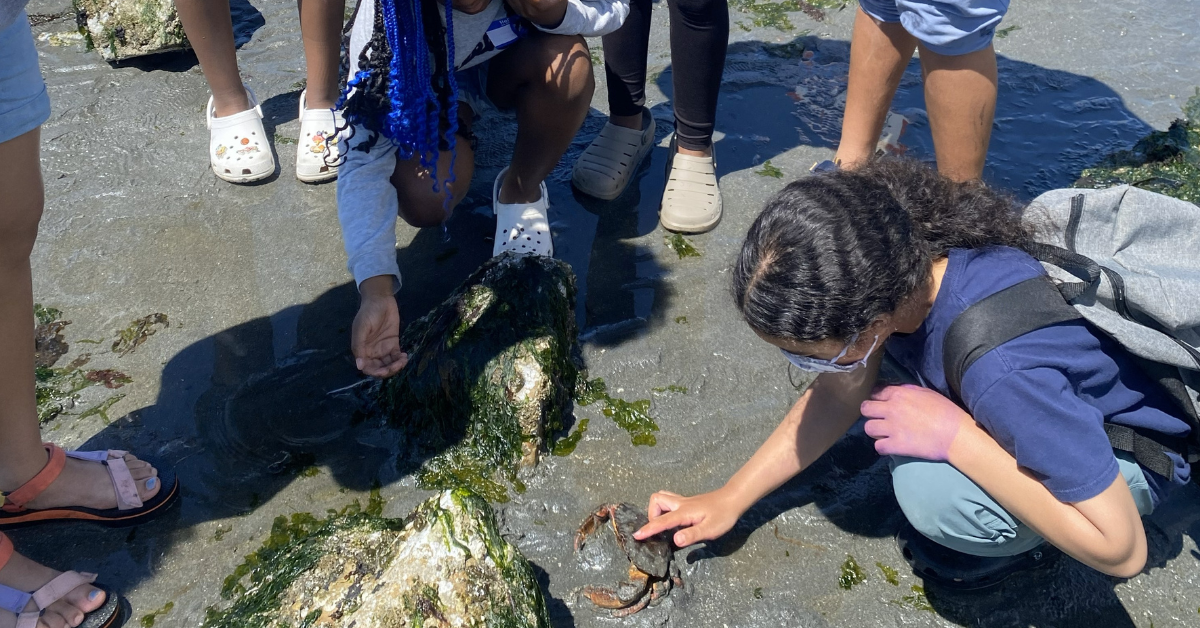
 Youth observing beach and tide pool creatures as part of EJ Fund grantee Sea Potential’s work to teach kids about marine biology. Photo by Sea Potential.
 We’re excited to announce the 2025 grantees of Seattle’s Environmental Justice Fund! The Environmental Justice (EJ) Fund is investing in a range of community-led environmental programs covering climate change adaptation, education, youth leadership, and more.
The EJ Fund supports projects and programs led by Black, Indigenous, People of Color (BIPOC), immigrants, refugees, people with low incomes, youth, and elders. As climate change impacts worsen, these communities are disproportionately experiencing extreme heat waves, dangerous floods, air pollution, and more.
“The Environmental Justice Fund is about supporting solutions that come from the community,” Mayor Katie Wilson said. “It’s about great public spaces, climate resilience, clean air, youth leadership, affordable and sustainable ways to get around, high-quality green jobs, and so much more.”
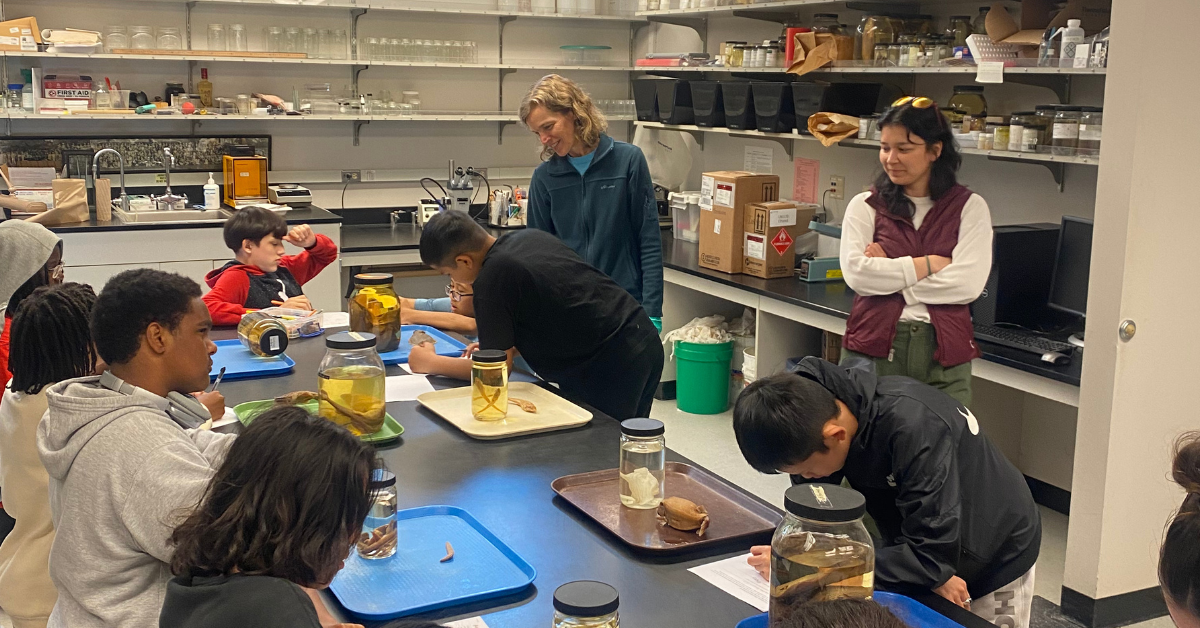
“Many BIPOC youth face systemic barriers to meaningful marine ecosystem access and pathways into blue and green careers,” said Savannah Smith, Co-Founder of Sea Potential. “With support from Seattle’s Environmental Justice Fund, we are creating water-based learning experiences that deepen youth and community connections to local waterways and introduce participants to marine science professionals. These experiences build skills, confidence, and industry networks, while also nurturing lifelong relationships with water, community, and place grounded in reciprocity.”
This funding cycle, Seattle awarded $934,616 to 12 organizations led by or partnered with communities most impacted by climate change and environmental inequities. Operated by our team at OSE, the EJ Fund received 52 proposals totaling nearly $3.8 million, over $1 million more than was requested in 2023. Since its launch in 2018, the EJ Fund has awarded more than $3.8 million to 82 projects led by or in direct partnership with frontline communities.
A total of $180,000 went toward projects that benefit Duwamish Valley communities, in alignment with the City’s commitment to support place-based solutions in the Duwamish Valley. The South Park and Georgetown neighborhoods face a legacy of pollution from heavy industry, high flood risks from rising sea level and rainfall, and disproportionately low incomes and job opportunities. Learn more about City and community partnerships in the Duwamish Valley on our Duwamish Valley Program webpage.
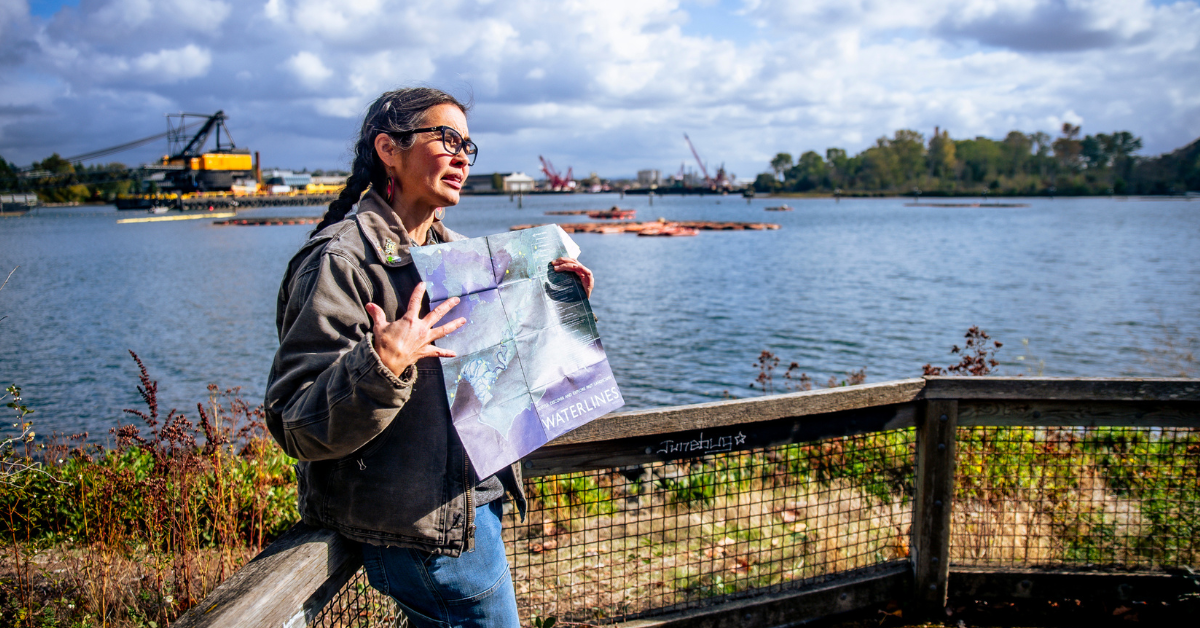
“Through this support from Seattle’s Environmental Justice Fund, we are able to care for the land at Heron’s Nest and the West Duwamish Greenbelt and advance environmental education rooted in Indigenous stewardship,” said Kristina Pearson, Executive Director of Duwamish Tribal Services. “This funding helps us invest in local leadership and green jobs while uplifting Duwamish values and honoring our long-standing relationship with the land.”
We partnered with Seattle’s Environmental Justice Committee to review grant applications and propose funding recommendations. The Committee is made up of six community members with a wide range of expertise who work with BIPOC people, immigrants, refugees, Native and Indigenous peoples, low-income residents, and English language learners.
“OSE is honored to directly invest in trusted community groups who are leading climate solutions rooted in their community’s needs and wisdom,” said Ximena Fonseca Morales, OSE’s Environmental Justice Fund Program Manager. “The EJ Fund is special because it recognizes the relationships local organizations have built with their communities and resources them to drive real progress in their neighborhoods, backed by City dollars.”
The EJ Fund was created as a key early action from the City’s Equity & Environment Agenda and is funded by the Payroll Expense Tax, a local revenue source that supports Seattle’s Green New Deal initiatives.
Later this year the EJ Fund will begin accepting applications for the next round of grants. Subscribe to OSE’s newsletter to be the first to know when applications open. Learn more about previous projects supported by the EJ Fund in our grantee spotlights series.
Seattle’s 2025 Environmental Justice Grantees:
This funding cycle, Seattle awarded $934,616 to 12 organizations led by or partnered with communities most impacted by climate change and environmental inequities.
The BLOOM Food & Environmental Justice Series will activate Wa Na Wari as a hub for climate justice and cultural resilience. BLOOM is a Black- and Indigenous-led environmental justice program in Seattle’s Central District focused on soil remediation, food sovereignty, and land stewardship through culturally rooted gardening and healing. The program will include a fellowship for young adults with training, hands-on gardening work, and community events grounded in values of Black liberation, Indigenous sovereignty, and BIPOC solidarity.
Sound Generations, East African Senior Center – $74,723
East African elders come to the East African Senior Center from across Seattle to receive wraparound services in a culturally appropriate space at Rainier Beach Urban Farm and Wetlands. Programming for the seniors will include wetland restoration, environmental justice education workshops, and storytelling to share personal environmental knowledge and wisdom.
Casa Latina will deliver a workshop series for Latino immigrant workers in Seattle to reduce exposure to toxic chemicals in household cleaning and landscaping. The program will promote safer, green alternatives while strengthening workers’ understanding of environmental justice and its impact on their daily work and broader systemic barriers.
People’s Economy Lab – $80,000
People’s Economy Lab will build on previous Climate Resilience Community Assemblies to launch a Community-to-Policy Accelerator to turn community climate recommendations into actionable policies like the City of Seattle’s climate action planning. In partnership with trusted organizations, the initiative focuses on BIPOC, immigrant, low-income, and frontline communities. The programming will include community-led workshops, planning for a climate outcomes dashboard, and climate storytelling through art.
Hip Hop is Green’s Youth Excellence Program is a paid internship serving BIPOC youth in Seattle’s Central District. The organization will continue piloting its hydroponic farming curriculum through a 10-week summer program and four bootcamps. Youth will gain skills in sustainable agriculture and climate justice leadership.
Outreach and Transform Lives – $88,500
Funding will help launch the Climate Resilience Storytelling Hub. Centering communities most affected by climate hazards yet historically excluded from environmental decision-making, the Hub will bring together African-immigrant youth and BIPOC elders from Seattle’s Central Area to co-produce documentaries, podcasts, and photo essays capturing lived experiences with extreme heat and air pollution. Youth participants will also build practical resilience skills through monthly circles and workshops to develop stories into action plans and policy briefs.
Ancestral Sisterhood – $90,000
Ancestral Sisterhood’s project will improve Traditional Ecological Knowledge and climate disaster preparedness in the greater Seattle area by creating a framework for community organizations and members. Guided by Elders and knowledge keepers, train-the-trainer workshops will focus on nature-based solutions such as erosion control, water filtration, and native plant nurseries. The workshops will include land-based activities, fostering community engagement in regenerative land management and climate adaptation.
Funding will support SanArte’s two-week, youth-led climate justice and healing camp for Indigenous and BIPOC youth in Seattle. Youth will attend and lead workshops alongside trusted community leaders acting as counselors. Together, they will learn environmental justice, build culturally relevant climate emergency kits, and share stories of survival.
Sea Potential will host two water-based environmental science programs for BIPOC youth that aim to increase access to local marine ecosystems, foster interest in and understanding of marine and environmental science, and deepen personal connections to water through hands-on activities. The programs will also introduce youth to career opportunities and connect them with industry professionals.
Duwamish Valley Focused Projects:
Mini Mart City Park’s Environmental Justice Artivism Series is a free summer program for BIPOC youth in Seattle’s Duwamish Valley, integrating environmental education with creative expression. The program will expand and serve around 36 youth from the Georgetown and South Park neighborhoods, providing programming that supports environmental literacy, regional storytelling, and green jobs exploration.
Duwamish River Community Coalition – $60,031
The Duwamish River Community Coalition’s Duwamish Valley Industrial Greening project aims to reduce air pollution, flooding, and extreme heat by replacing impervious surfaces with green infrastructure and trees in Georgetown and South Park. The project will also provide skill training for youth and adults in the maintenance, construction, and design of green stormwater infrastructure projects.
Duwamish Tribal Services – $89,969
Duwamish Tribal Services’ programming fosters ecological health, cultural visibility, and community connection to land through hands-on restoration and culturally grounded education. Funding will support forest restoration, environmental education, and land stewardship at Heron’s Nest and the West Duwamish Greenbelt, including weekly volunteering, a paid jobs training workshop, school visits, and Native plant signage.