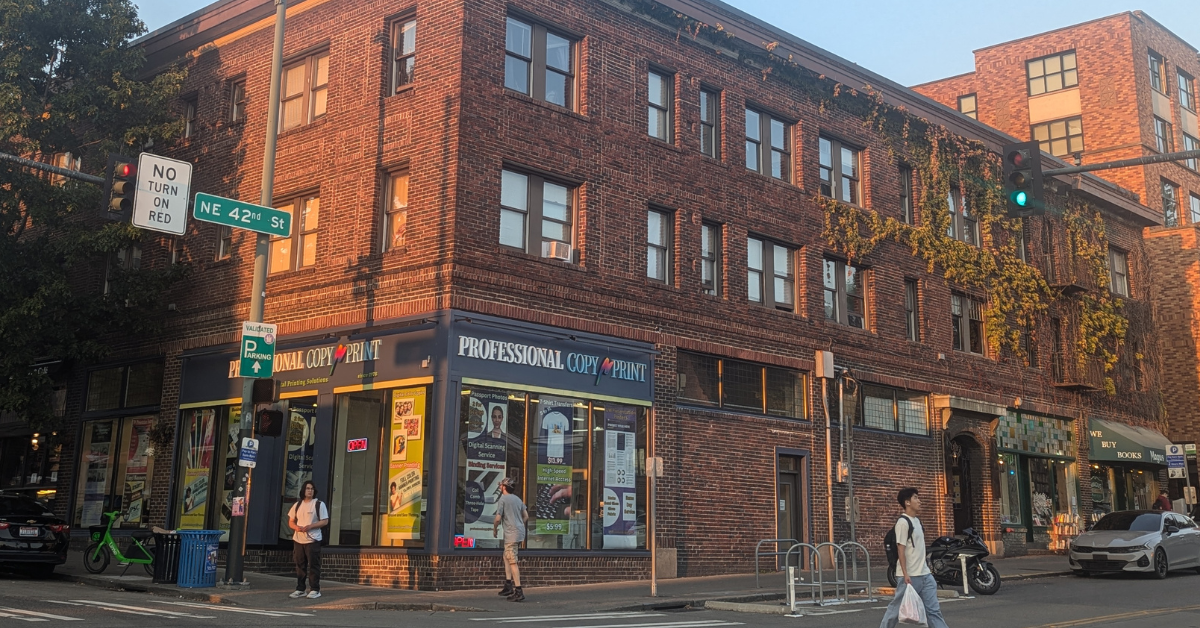
 The building housing La Paz Apartments was a Building Decarbonization Grant recipient in 2025.
 Update: Applications for Seattle’s Building Decarbonization Grants closed on August 10, 2026.
Seattle’s Office of Sustainability & Environment (OSE) is now accepting applications for its 2026 Building Decarbonization Grants through August 10! The City of Seattle will offer up to $4 million in grants to help owners of buildings larger than 20,000 square feet reduce climate pollution, or “decarbonize,” their buildings.
The grants will help fund engineering design and/or capital upgrades to buildings ahead of future emissions reduction targets set by Seattle’s Building Emissions Performance Standard (BEPS) law, under which most large buildings will need to achieve net-zero emissions by 2050. Learn more, get connected with resources, and apply on our website.
Buildings are responsible for 40% of the climate pollution in Seattle, with the overwhelming majority coming from burning high-emissions fracked gas. Pollution contributes to climate change, which intensifies dangerous weather events, worsens air quality, and disrupts health and well-being.
Meeting our climate goals takes everyone. Investments like the Building Decarbonization Grants and our other climate grant programs accelerate actions that protect public health, build community resilience, and more. They also align with and advance the goals of Seattle’s Climate Action Plan, which underscores that solutions must happen at all scales and come from individuals, communities, businesses, and government.
What types of properties and projects are eligible?
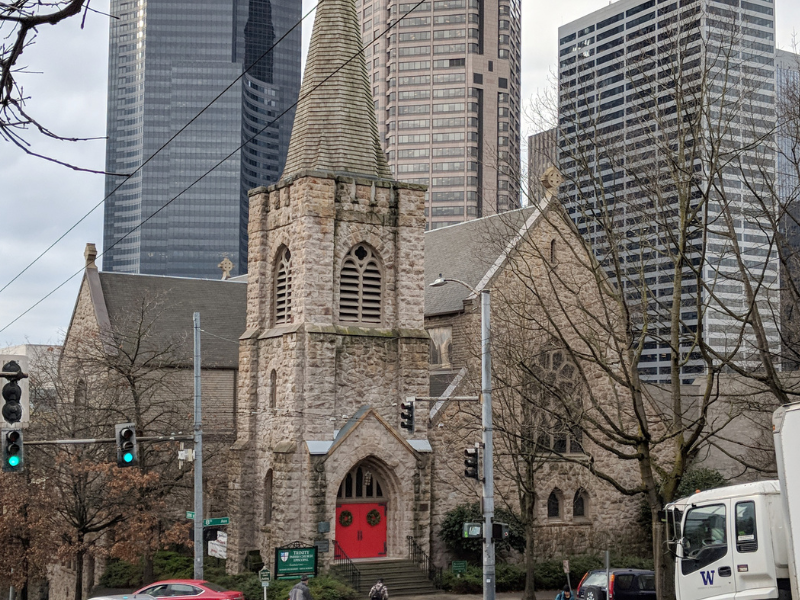
Buildings must be greater than 20,000 square feet. We prioritize funding affordable and senior housing, buildings owned by nonprofits, and buildings located in or serving Seattle communities that bear the brunt of climate change impacts (like extreme heat, flooding, and more). Overburdened communities include Black, Indigenous, People of Color (BIPOC), immigrants, refugees, youth, elders, and low-income residents.
We also prioritize buildings with high emissions that are the farthest away from meeting their future targets under BEPS. Building owners can check their energy and emissions reports using our Energy Benchmarking map.
Examples of upgrades include replacing fossil-fuel-powered heating, hot water, and cooking equipment with low- or no-emissions all-electric equipment. The primary purpose of your project must be to decarbonize or to develop a plan to decarbonize your building, but you can include additional, directly related elements.
We’re here to help
We’re offering free grant application support and technical assistance. We prioritize community and nonprofit buildings serving overburdened communities for assistance, but all buildings are eligible. Apply today on our website!
We’ll host two optional information sessions (register in advance at the links below). Applicants are encouraged to attend, but it’s not required; we’ll post a recording on our website afterwards. Our team will also host optional drop-in office hours later this summer.
Upcoming information sessions:
- Wednesday, May 27, 12:30-1:30 PM Register on Zoom
- Tuesday, June 16, 5-6 PM Register on Zoom
Our team hosted a pre-application information session. You can view the presentation file here. Check out our Building Emissions Navigator program for more support, including free group trainings and planning assistance for large buildings.

Learn more
The City is reducing emissions from City-owned buildings, and we’re helping other large buildings do the same to create a healthier, safer, and more climate-resilient Seattle for all. Last year, the Building Decarbonzation Grant program awarded funding to help 18 community-centered buildings transition off fossil fuels. Funding comes from Seattle’s Jumpstart Payroll Expense Tax.
Subscribe to OSE’s newsletter for grant updates and future announcements. And subscribe to our BEPS newsletter to stay up to date on developments related to the rollout of the new law.
…