 City and community partners gather at Mini Mart City Park, a climate resilient nonprofit in Georgetown, to celebrate Seattle Mayor Bruce Harrell’s Earth Day Executive Order on climate action.
 In between summer fun, 2025 has brought record-high temperatures and hazy, smoky skies from nearby wildfires. At the City of Seattle, we’re working to reduce climate emissions, while at the same time, helping communities live comfortably with the effects already here.
This year, we teamed up with community groups across Seattle to take actions that build and support healthy, connected, and resilient communities. Community partnerships are incredibly valuable, allowing us to meet people where they’re at and develop a better understanding of how to help prepare Seattleites for climate change. This is especially important in our most overburdened neighborhoods that are hit first and worst by extreme weather events and flooding.
Here’s some of the progress we’ve made together in 2025.
Climate Change and Extreme Weather Education

Our team at OSE is creating a Climate Ready Curriculum in partnership with six community organizations — Basilica Bio, Cham Refugees Community, Duwamish River Community Coalition, El Centro de la Raza, Windz of Change, and Y-WE (Young Women Empowered). The curriculum responds to community feedback asking for more accessible and Seattle-specific information about climate threats.
This summer, we conducted a “teaching pilot” to test the classes to ensure the information is easy to understand. These classes cover how to get ready for extreme heat and wildfire smoke, extreme rain and flooding, and extreme winter weather. The curriculum will be publicly available on OSE’s website later this year.
Building Resilient Community Spaces
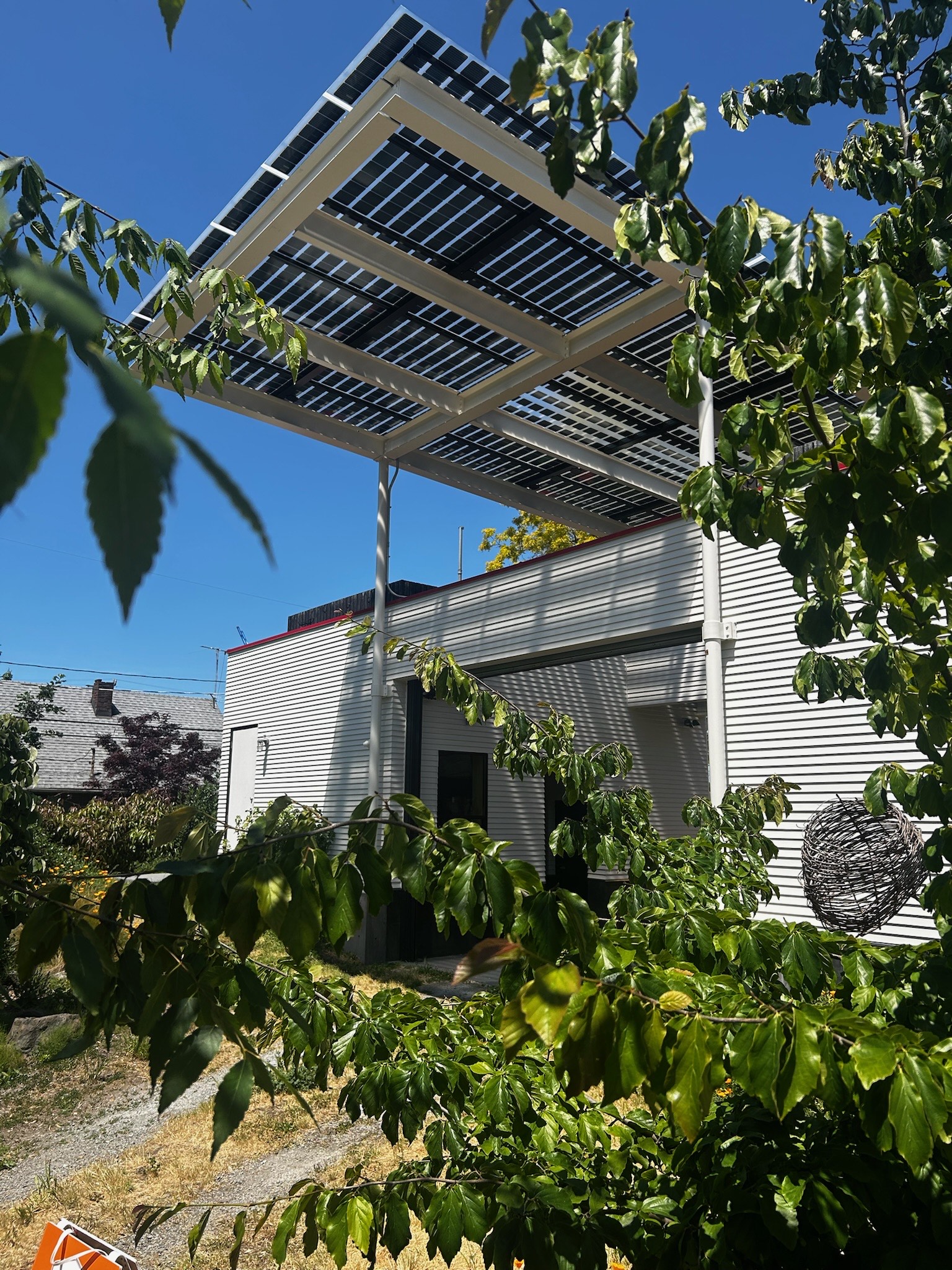
In March, the City of Seattle helped Mini Mart City Park in Georgetown install solar panels and a backup battery. The solar panels and back-up battery provide renewable energy, improve energy efficiency, and offer electricity in the event of a power outage.
Mini Mart City Park is a nonprofit art gallery and resilient community space built to withstand extreme weather disruptions. The structure was formerly a gas station on an industrial site before community members transformed it.
Earlier this year on Earth Day, Seattle Mayor Bruce Harrell joined community, governmental, and business partners at Mini Mart City Park to issue a climate action Executive Order calling for the city to update and modernize Seattle’s Climate Action Plan with expanded focus on climate resilience.
Protecting Frontline Communities with Supplies

The City is also supporting two volunteer-driven direct aid groups, ChuMinh Tofu Eggrolls and Superfamilia KC. These groups are providing everyday supplies and climate preparedness kits to frontline community members, including immigrants and refugees, people experiencing homelessness, seniors, and people with disabilities.
Since January, groups have distributed meals, groceries, hygiene items, and climate preparedness items twice a month. During the winter, the kits included hand warmers, thick socks, emergency radios, and flashlights. In the summer, kits include water, bath wipes, lightweight clothing, UV umbrellas, and more.

OSE helped fund the grassroots creation of the Juneau St. Resilience Pod, a neighbor-based group in south Beacon Hill encouraging neighbors to prepare for climate change together.
The group meets regularly and recently hosted events to help neighbors build emergency kits. The Pod is currently working on creating a how-to guide for others to develop similar neighbor-based climate preparedness groups.
More Ways We’re Building a More Climate Resilient Seattle
In Seattle, buildings are not only a major source of climate pollution, they’re also where we seek refuge during times of climate emergency. The city is working to ensure our municipal buildings, especially those that serve communities such as libraries, fire stations, and community centers, are fossil fuel free by 2042.
We’re also supporting building owners who are working toward achieving net-zero emissions by 2050 for most large buildings. Seattle residents interested in reducing emissions while improving energy efficiency, comfort, and climate resilience in their own homes can check out our heat pump rebates program.
Thank you to the dozens of community partners working on these community climate preparedness efforts with us. Subscribe to OSE’s newsletter to get the curriculum and more updates this fall.